Introduction:
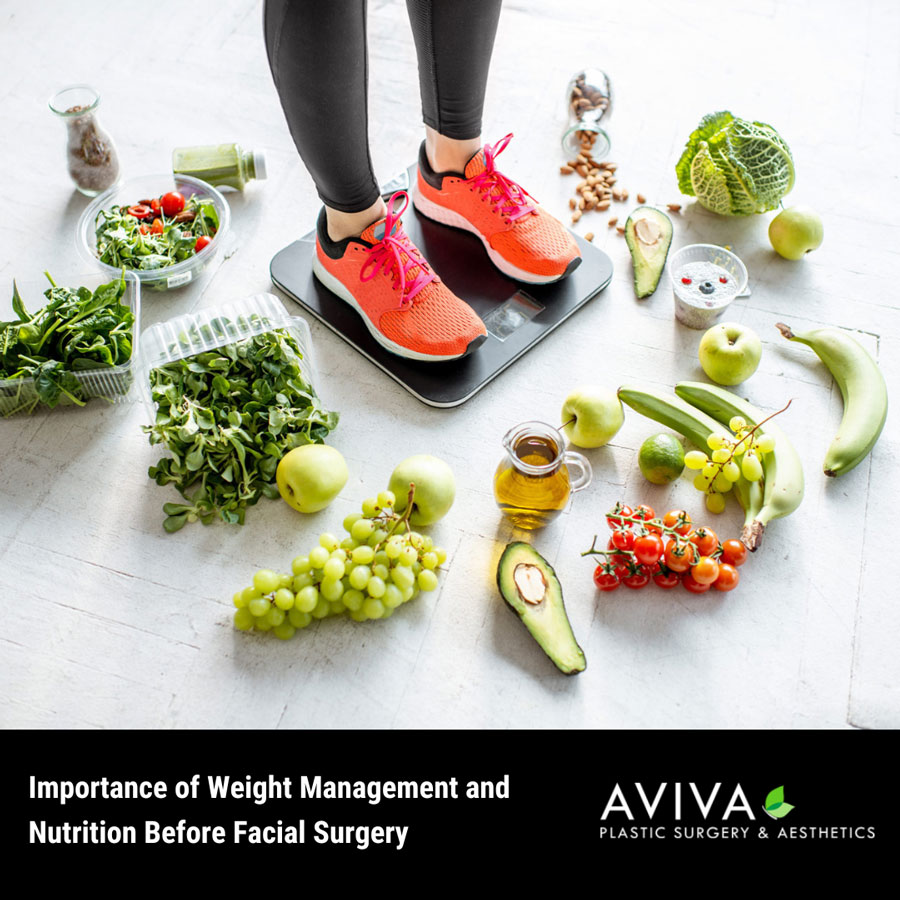
Planning for facial surgery, such as facelift or neck contouring, involves more than just the procedure itself. One critical aspect that often gets overlooked is weight management and nutrition. Being close to ideal weight, as well as maintaining a diet high in nutrients are instrumental elements that can aid not only in the result of the surgery but also in healing. In this guide, we’ll explore the need to stay within 15lb of your ideal weight, to stop taking GLP-1 meds and eat properly again to help ensure that healing is totally predictable. When patients are able to prepare and prepare well for the surgery, they can experience better results from the actual surgical procedure performed, recover sooner, and enjoy long term benefits.
Why it Matters to Be within 15 Pounds of Your Ideal Weight:
Being within 15 pounds of your ideal weight is crucial for several reasons:
- Precision of Surgery: Being overweight can make surgery more difficult. This can mean a higher chance of getting complications around the time of surgery – both during and after. When you are as close to your target weight as possible, the surgery is easier and can be done with greater accuracy.
- Research: has indicated that patients close to, or at their ideal weight recover quicker with minimal complications. Infections risk will also be reduced, and better circulation is necessary for recovery–weight loss helps.
- Sustainable Results: If you have your weight loss goal achieved prior to your surgery, it is more likely that those results are going to stay. You can lose a lot of weight after surgery but such results may not be what you want at all and even if they are, it might undo what the surgery has accomplished.
The Role of GLP-1 Medicines
If you’re currently taking GLP-1 medications for weight management, it’s essential to discuss this with Dr. Fishman. These medications can impact your body’s metabolism and response to anesthesia.
Timing is Everything: GLP-1s are a miracle for hitting your goal pre-op but stopping GLP-1s should be done at minimum 3 weeks before your surgery. That gives your body the opportunity to get back into a more stable metabolic state — helping minimize complications while under anesthesia.
Nutrition: Fueling Your Body for Healing
Nutrition is one of the most important aspects of preparing for surgery and supporting your healing process!
- Balanced Diet: The key to recovery is a well-balanced diet comprising each vitamins, minerals and proteins especially anterior to the surgery. Strengthening your body with things like lean meats, fruits, vegetables, whole grains and healthy fats can serve you well all the way into healing.
- Hydration: Also remember to hydrate. Excessive intake of fluids will generally assist the body with circulation and have your skin healthier than regular, which happens to be a added bonus before facial plastic cosmetic surgeries.
- Limit Processed Food: This is Abuse of adding sugar and unhealthy fat These may promote inflammation and interfere with healing.
- Supplemental Diet: Ask your physician or nutritionist to discuss the development of a supplemental diet that may contain Vitamin C, zinc and protein powder like whey protein which help in recovery.
Facial surgery takes different forms to prepare for that where one has to take extra precautions as far as their weight and nutrition is concern. Staying at 15 pounds of your ideal weight can allow for greater surgical precision and lead to faster healing. Focus on eating well and your body will have what it needs to heal efficiently.
Follow these steps to make sure that you are prepared for a successful surgery and recovery. Keep in mind that how much you put into your preparation will come through as output to the result desired by you at last!